
Helix Piercing in Gelsenkirchen
A helix piercing sits in the cartilage on the upper rim of the ear. It heals more slowly than an earlobe piercing – as a rough guide, around 6–12 months – and above all needs to be left alone.
At a glance
Placement
Upper, outer cartilage rim of the ear
Healing
Around 6–12 months (rough guide)
Pain
Brief, firm pressure, then a burning sensation
Jewellery
First a stud with a flat back, rings after healing
What is a helix piercing?
A cartilage piercing on the upper rim of the ear, like the conch piercing. Variations: forward helix (at the front) and double or triple helix (one above the other).
Process: how a helix piercing is done
- Consultation: position, jewellery, healing.
- Marking: you check the spot in the mirror.
- Piercing: Sterile, through the cartilage in one go, with the initial jewellery fitted straight away.
- Aftercare info: cleaning and what to avoid.
- Check-up: By arrangement, Levent checks at the studio how the jewellery is sitting.
Jewellery for a helix piercing
- Initial jewellery: a stud with a flat back (labret), with a longer bar at first that is shortened later.
- Later: rings, clickers or chains – only after healing.
- At Levent's: studs, rings, labrets and curved barbells.
- Material: implant-grade titanium is considered well tolerated; choose nickel-free if you have a nickel allergy.
Helix piercing: healing and aftercare
Rough guide: around 6–12 months. Pressure and snagging make healing take longer.
What is normal?
At first, redness, swelling, throbbing and crusting. It has only healed once nothing is tender, weeping or crusting any more.
Avoid pressure
Don't sleep on that ear, be careful with headphones and hats, tie your hair back loosely. If the back of the stud presses into the skin, the bar is too short – go and see your piercer.
Aftercare
- Wash your hands before touching it.
- Soften crusts with the recommended cleaning solution.
- Don't twist the jewellery.
- No swimming pools, saunas or baths until it has healed.
In detail: piercing aftercare step by step.
See a doctor if redness, swelling or pain get worse after the first few days, the area feels hot, pus comes out or you develop a fever. Do not remove the jewellery yourself.
FAQ: Helix piercing
How long does a helix piercing take to heal?
As a rough guide, around 6–12 months. Cartilage has very little blood supply, so the channel inside takes longer to heal than it looks from the outside.
Does a helix piercing hurt?
Briefly: firm pressure, then a burning sensation. Many people find cartilage a little more intense than the earlobe.
When can I change the jewellery in my helix piercing?
Only once it has fully healed – ideally have your piercer do the first change or shorten the bar. Rings move around too much in a fresh helix.
Can I sleep on my side with a fresh helix piercing?
Better not – pressure often leads to swelling and irritation bumps. Sleep on the other side or on a travel pillow with a hole in the middle.
What is an irritation bump on a helix?
A small, often reddened bump at the piercing channel caused by pressure, movement or a bar that is too short. Don't squeeze it, remove the cause and show it to your piercer – if there are signs of infection, see a doctor.
What is the difference between a helix and a forward helix?
A helix sits on the upper, outer cartilage rim. A forward helix sits at the front of the ear, where the rim begins towards the face, above the tragus (the small cartilage flap in front of the ear canal). A double or triple helix is two or three piercings one above the other.
Where can I get a helix piercing in Gelsenkirchen?
At Meduza Ink, Horster Straße 85 in Gelsenkirchen-Buer. Your piercing is done by Levent, piercer and owner of the studio. Appointments via WhatsApp.
More piercings by Levent
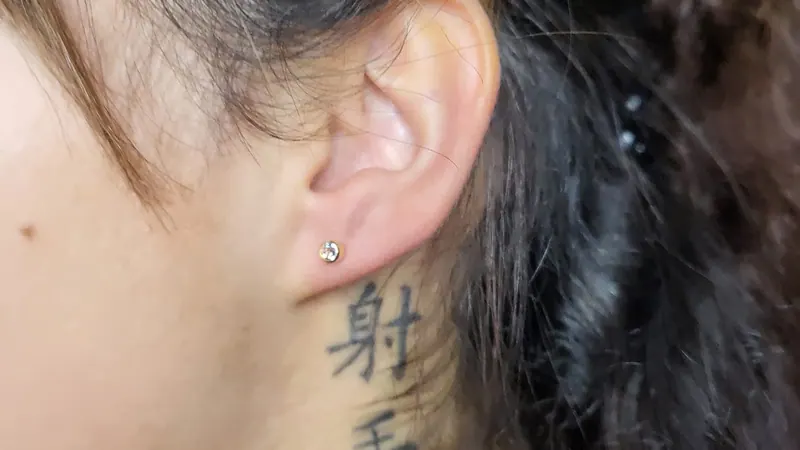
Ear piercing
Healing around 6–8 weeks
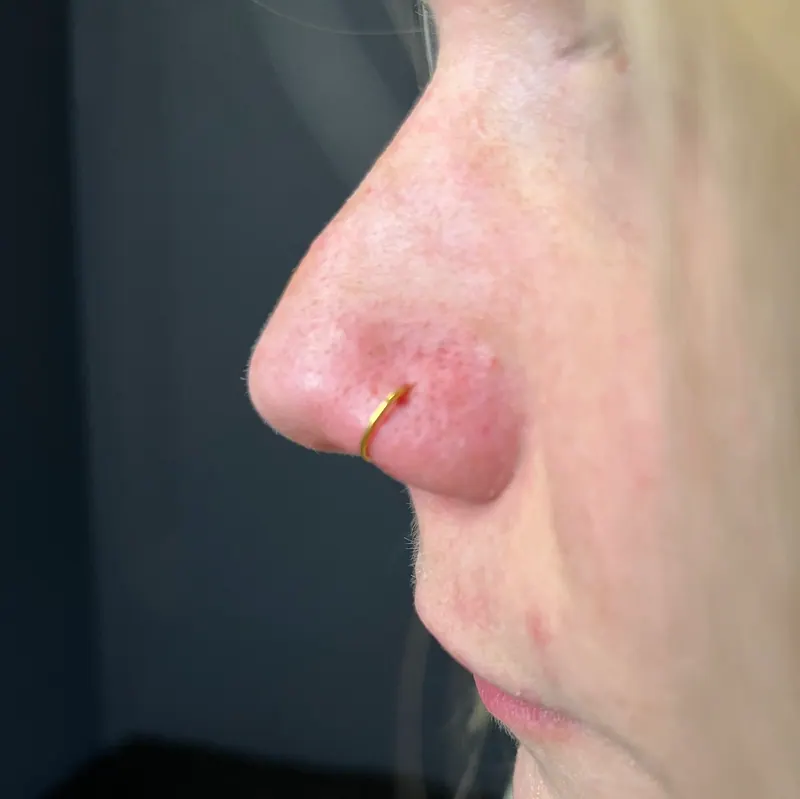
Nostril piercing
Healing around 3–4 months
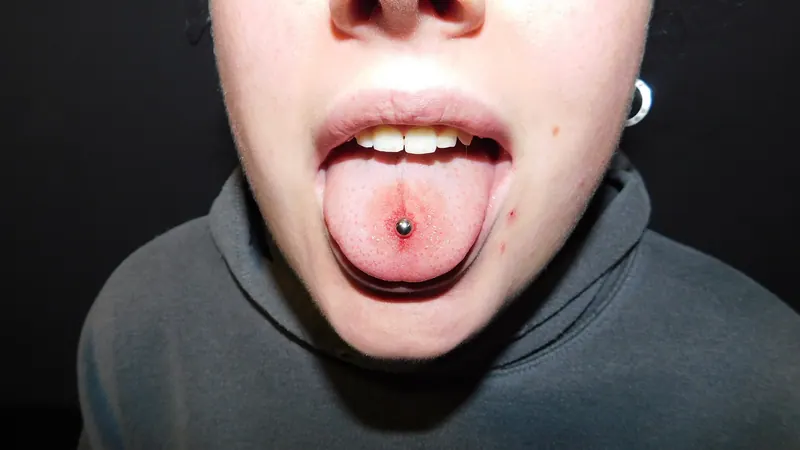
Tongue piercing
Healing around 4–6 weeks


Get your helix piercing in Gelsenkirchen
With Levent, Horster Straße 85 – also easy to reach from Gladbeck, Bottrop, Herten, Marl and Dorsten.